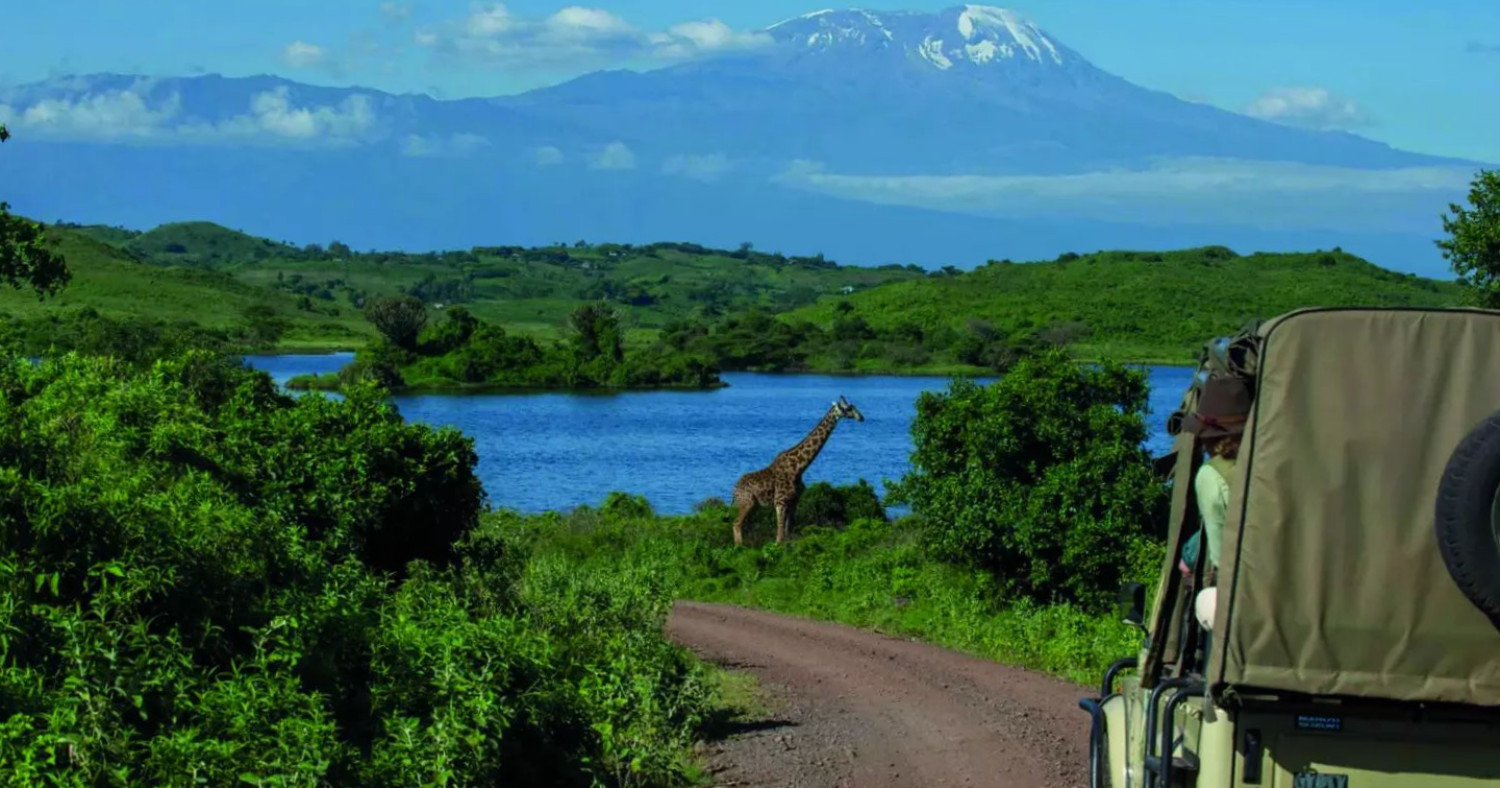
Longer, not shorter
Routes must sometimes be longer than the shortest the park allows.

Everything you need to plan a climb, in the order you’ll need it: routes, timing, fitness, kit and costs.
Read the guide
Our own routes, groups of eight at most, and a 97.6% summit success rate, explained with evidence rather than adjectives.
See why
Every climb we run, with prices from, and the scheduled departures you can join.
See the climbs
Seven support series from Superlite to VIP, and what each one includes.
View prices

Up and down in a day or two if you are already acclimatised, or acclimatise first: permits, plans, maps and a price calculator.
Plan a speed climb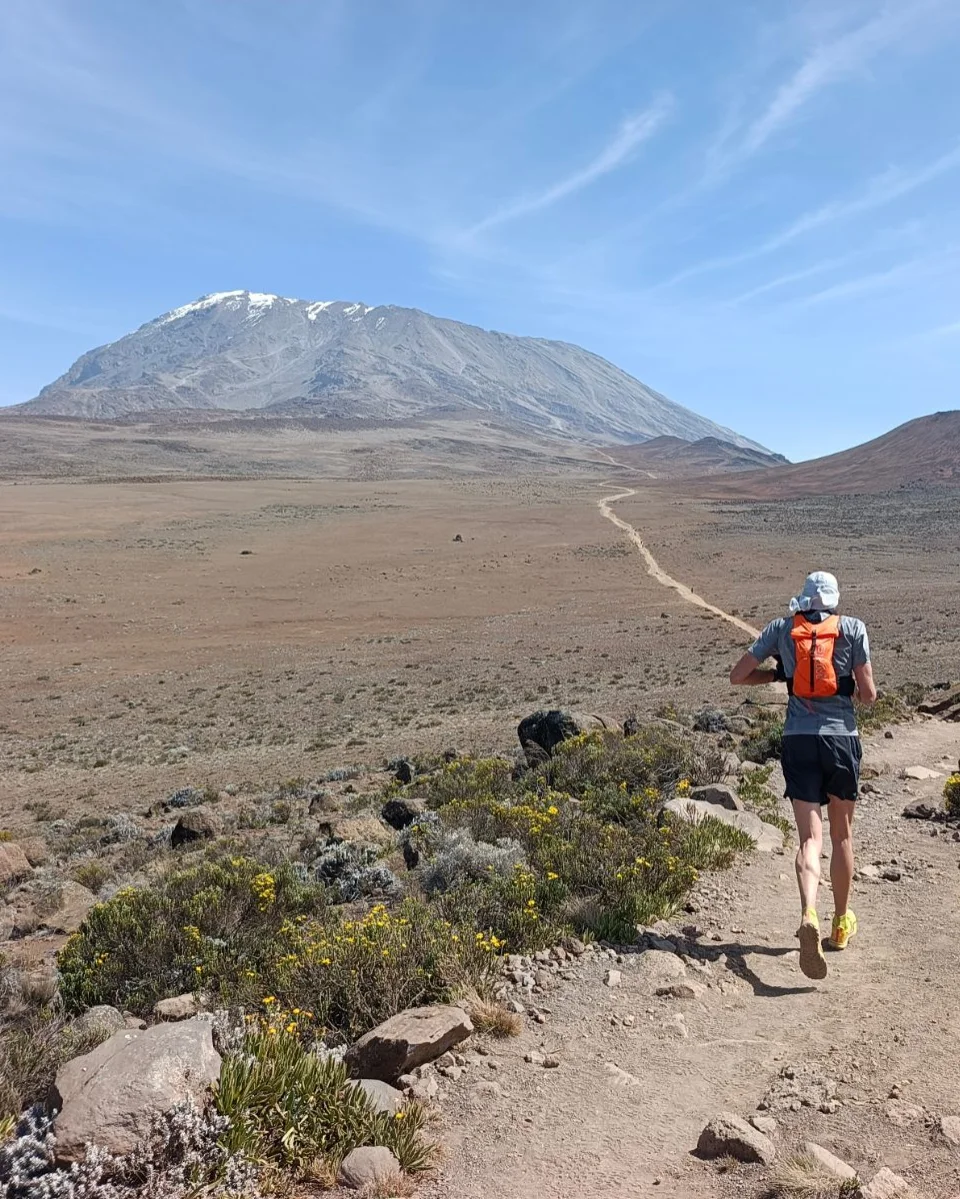
Training, health requirements, visas, vaccinations, insurance and flights: what to sort out, and when.
Start preparing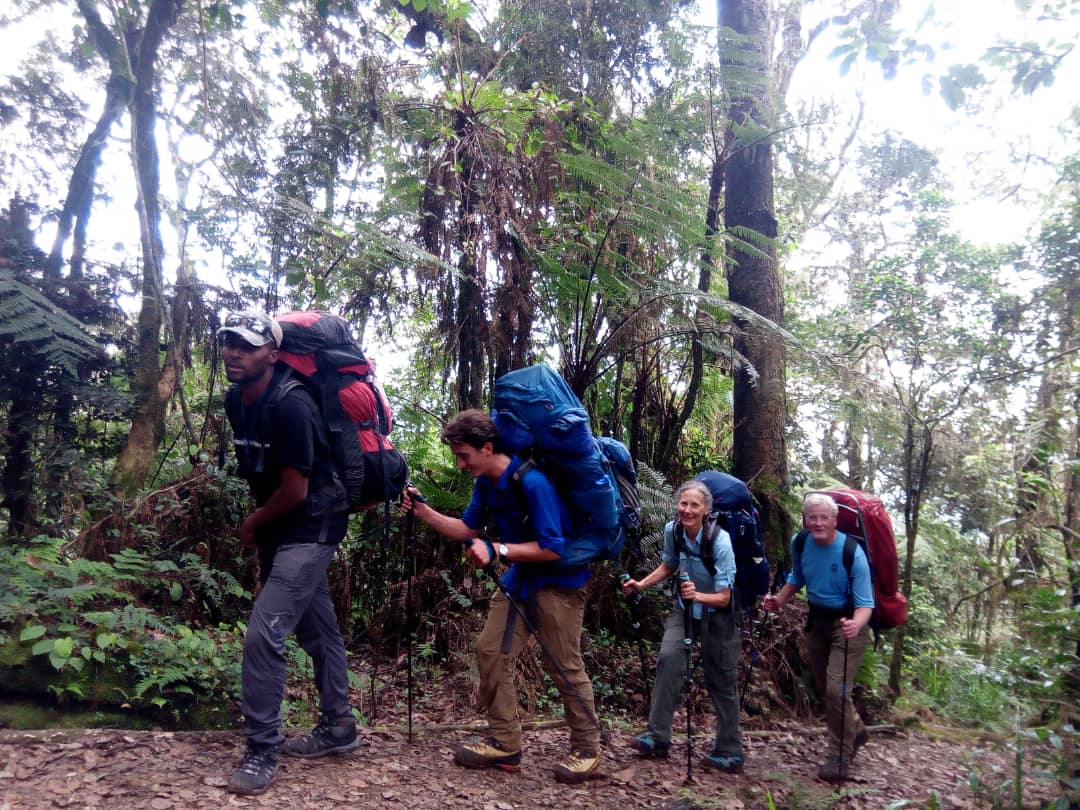

Height, peaks, temperatures, route lengths, wildlife and records, all checked against our own data.
Read the facts

Every route on one map, from our own GPS tracks, with distances, crowding and acclimatisation compared side by side.
See the map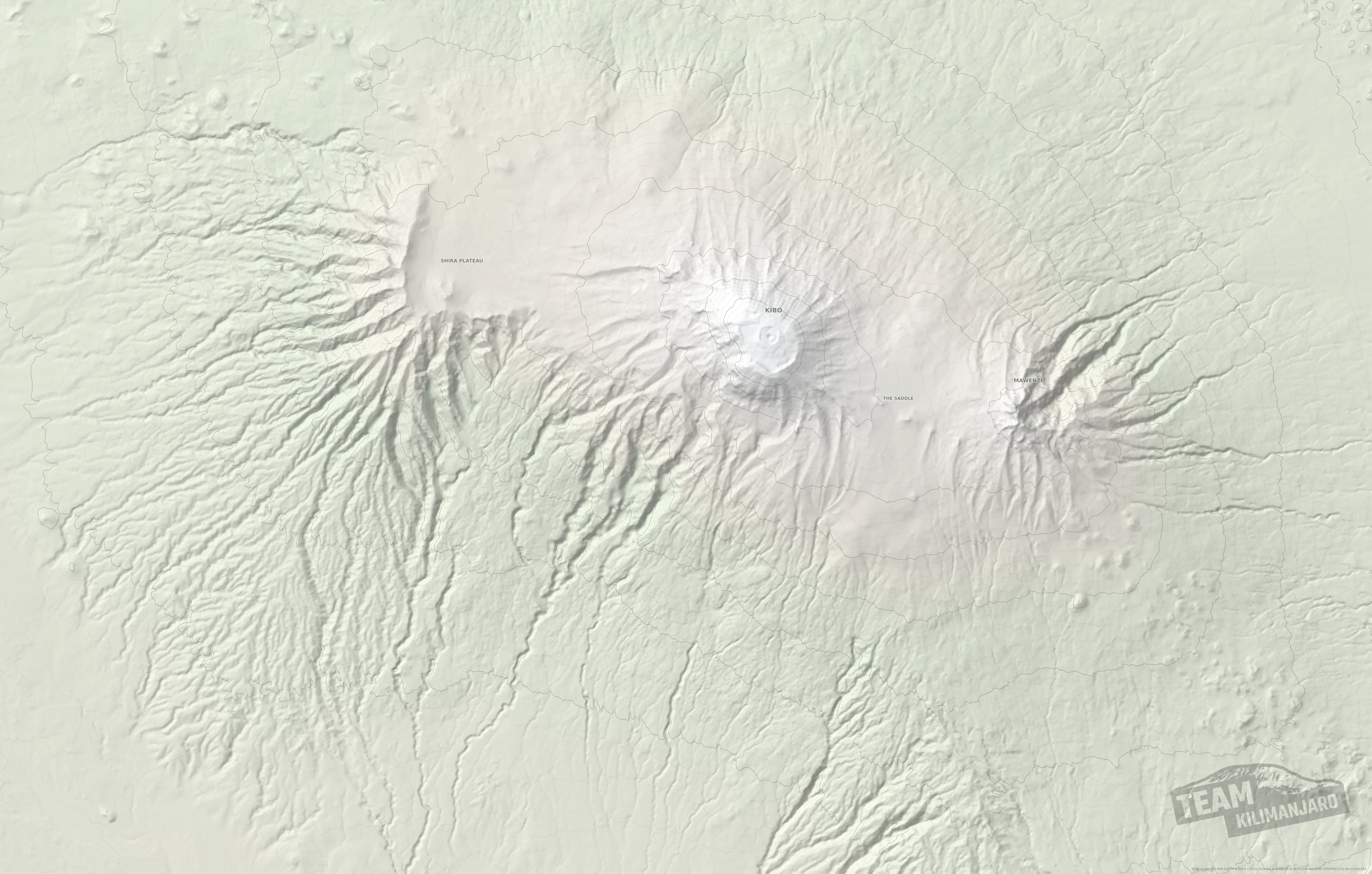

Steep and direct from the south, leaving little time to acclimatise. 46.3 km round trip.
More about Umbwe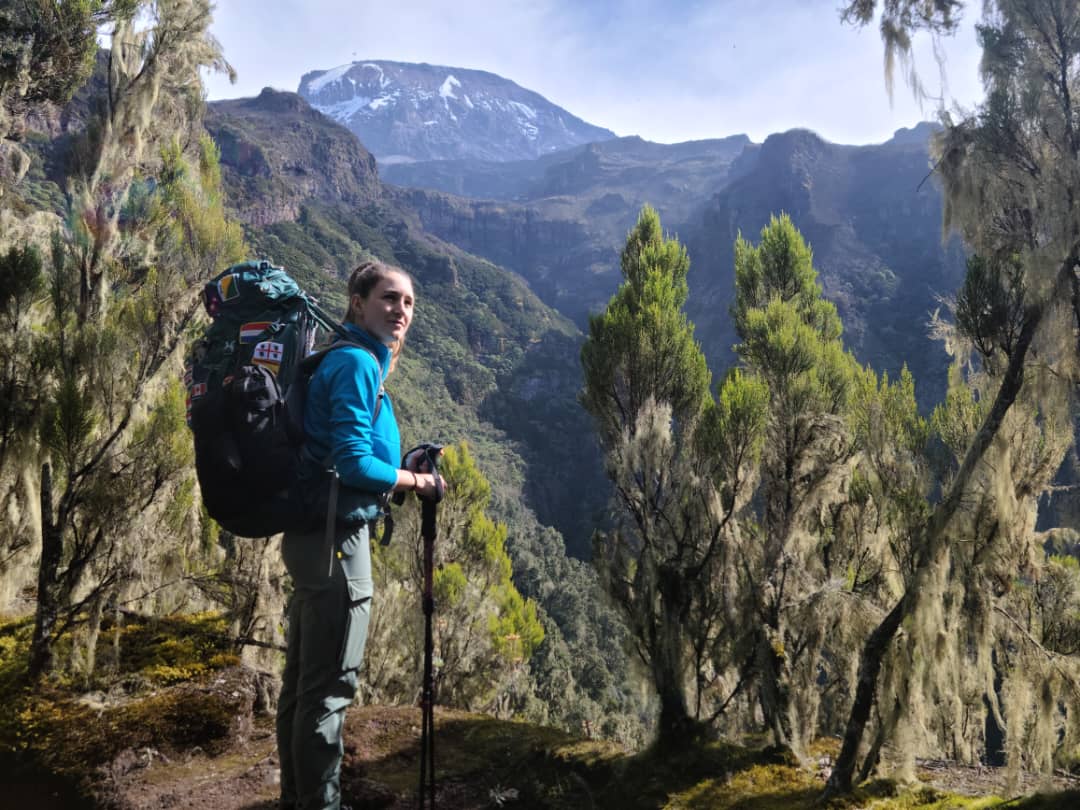
The busiest camping route, climbing from the southern rainforest onto the Shira Plateau before traversing beneath the Southern Icefields. 56.7 km round trip.
More about Machame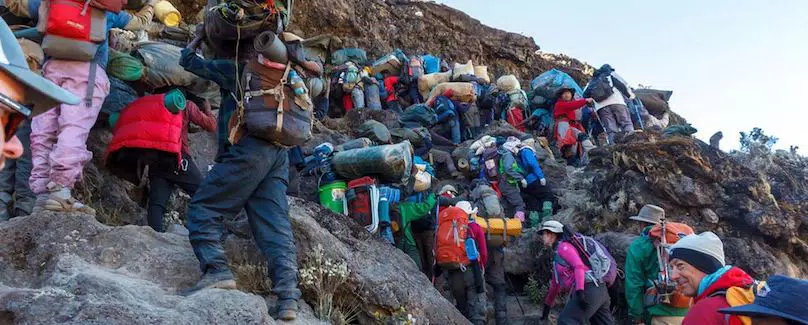
The quietest start, from the western forest onto the Shira Plateau. The standard route joins Machame beyond Shira 2; TK Lemosho, our own variation, takes the quiet northern circuit and summits from School Hut. 64.7 or 66.4 km round trip.
More about Lemosho
Starts high on the Shira Plateau, reached by vehicle: only for climbers already acclimatised, for example after Mount Meru. Seven or eight days, or joined to TK Lemosho.
More about Shira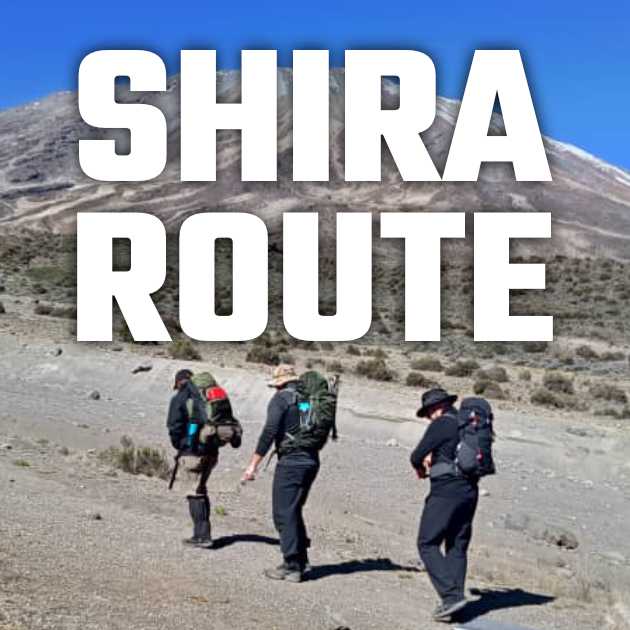
The hut route, and the only one that comes down the way it goes up. It has the lowest success rate of the main routes. 66.9 km round trip.
More about Marangu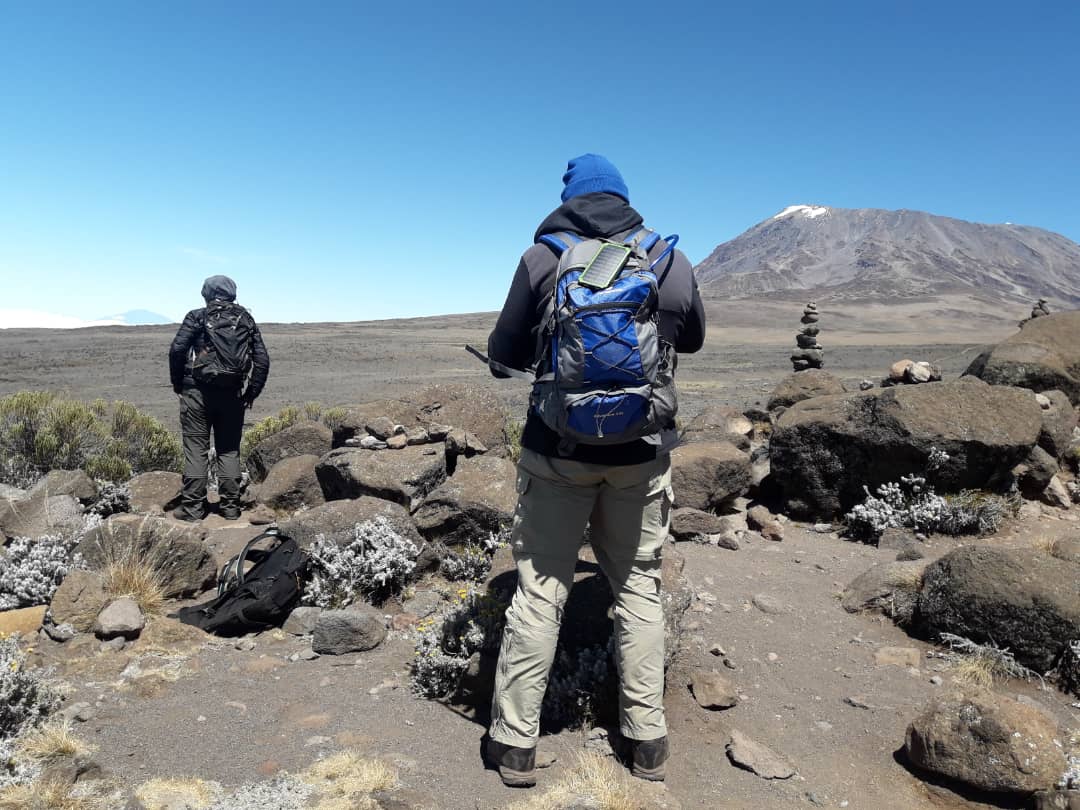
From the north, near the Kenyan border. The Rongai most companies run crosses the Saddle to Kibo Hut; TK Rongai, our own, climbs over the Mawenzi ridge and summits from School Hut. 68.0 or 72.2 km round trip.
More about Rongai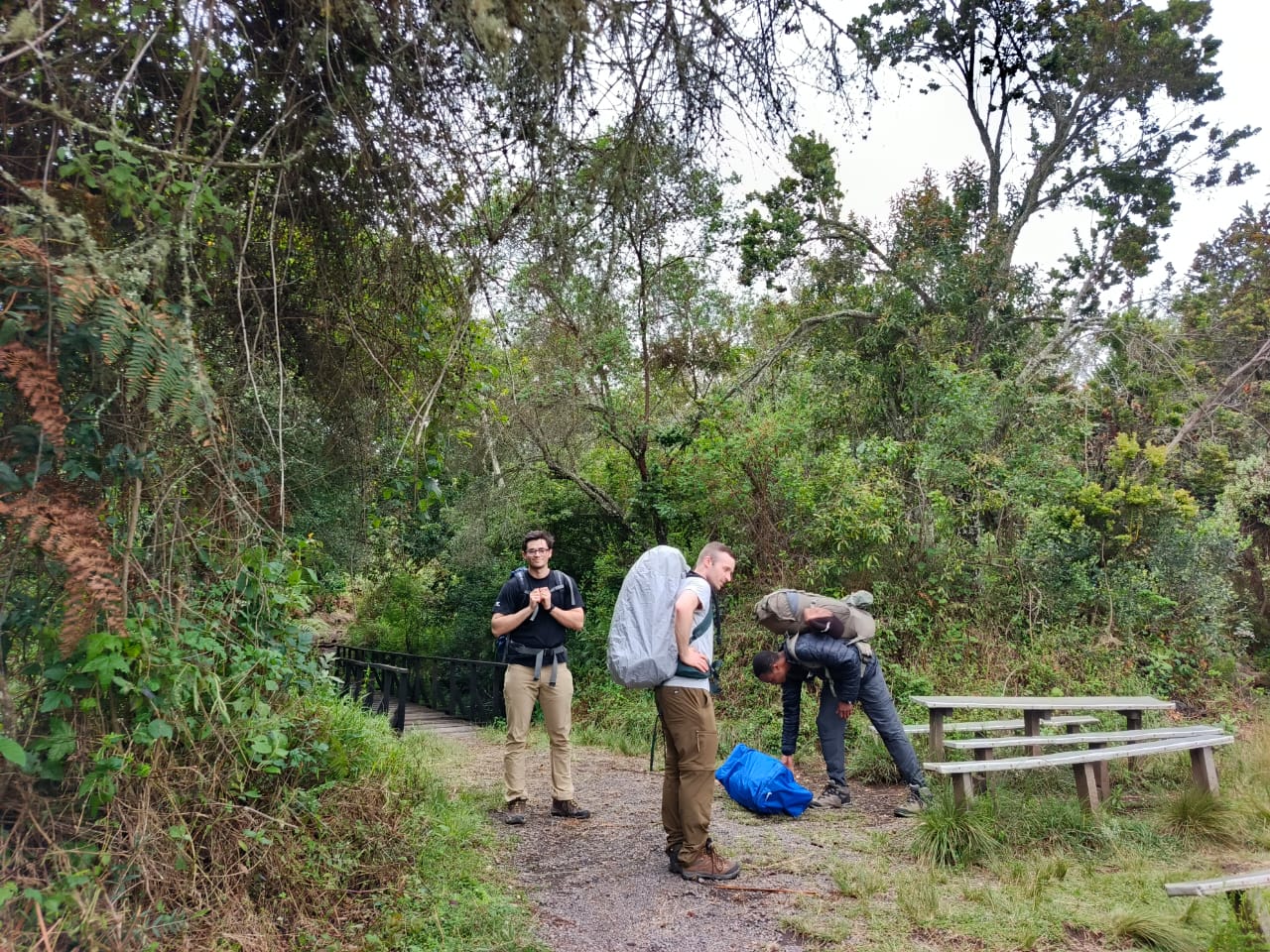
4,566 m, above Arusha: the best acclimatisation before Kilimanjaro. Three or four days, sleeping in huts.
More about Mount Meru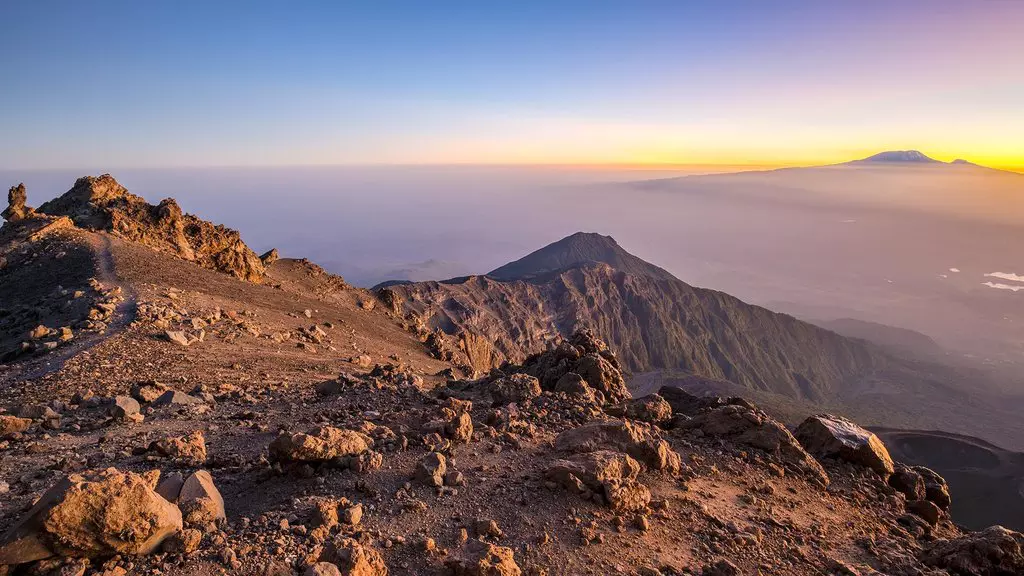
This page does not set out to persuade. It sets out to explain how we reason, and which things we put first when they pull against one another.
Anyone can claim experience, safety or success on Kilimanjaro. Those claims are easy to make and hard to test. What matters is not what an operator promises, but how it reasons. What follows is the logic behind every decision we make on the mountain.

Kilimanjaro is often called a “non-technical” mountain. That is true only in a narrow sense. It does not mainly test climbing skill.
Most failures on Kilimanjaro happen not because climbers are incapable, unfit or unmotivated, but because reserve is spent early, often invisibly, on the assumption that more effort, more altitude or more speed must mean better acclimatisation. That assumption is false.
High altitude is a hostile environment for the body. In it, exertion has a ceiling of benefit. Beyond that ceiling, the same effort that once produced adaptation produces accumulated fatigue, unsteady breathing and poorer decisions. Much of the industry fails not through negligence, but through misplaced optimisation.
The mountain testsphysiological judgement under constraint.
Some measures are convenient. Others govern the outcome. We are guided by the second kind.
This approach is not always the easiest, the cheapest or the most marketable. It is, however, coherent.
Once the problem is framed correctly, certain consequences follow, whether one likes them or not. They can be uncomfortable, and are occasionally unpopular. They are rarely visible in brochures. They are nevertheless necessary.
Routes must sometimes be longer than the shortest the park allows.
Pacing must sometimes be slower than climbers expect.
Crowded corridors must sometimes be avoided, even when they are popular.
Summit ambition must sometimes be deferred, to protect success further on.
Guides must report accurately rather than optimistically.
A recurring failure in high-altitude guiding is replacing judgement with slogans. Rules, checklists and formulas are useful. They are not sufficient.
The body does not respond to altitude in isolation. It responds to load, pace, stress, terrain, body composition and recovery, interacting in ways no single number can capture. This is not a rejection of science. It is the correct application of science in real conditions.
Routes on Kilimanjaro are often treated as names on a map, sold as interchangeable products. We see each one as a pattern of stress and recovery unfolding over days, in which a small change in where effort falls can have large effects later on. Our own routes come from finding where the accepted itineraries impose unnecessary physiological cost, and redistributing that effort more intelligently. Not novelty for its own sake: correction.
Each of these articles stands on its own. Together they set out a consistent way of thinking, refined through years of observation, analysis of failure, and correction.
Team Kilimanjaro does not claim to have discovered new laws of physiology. What we claim is simpler, and more demanding: that if one reasons carefully, observes honestly, and accepts what those observations imply even when it is inconvenient, certain conclusions become unavoidable.
Everything we do on the mountain follows from that.
Tell us your dates, your group and what matters most to you, and we will plan the climb that gives you the best chance of the summit.
Start planning