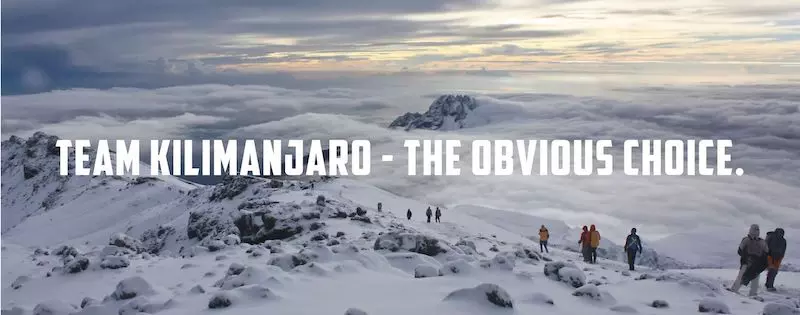
Kilimanjaro: The Mountain
Everything about Kilimanjaro itself, as opposed to climbing it: its height and peaks, the weather at the top, the wildlife on its slopes, and the records set on it.
These pages are reference material. Every figure on them comes from our own records and route tracks, gathered on expeditions since 2004.
- Mount Kilimanjaro Facts — height, location, peaks, temperatures, route lengths, wildlife, records, and the real story of the first ascent 👉
Planning a climb rather than reading about the mountain? Start with our Routes or Best Time to Climb 👉
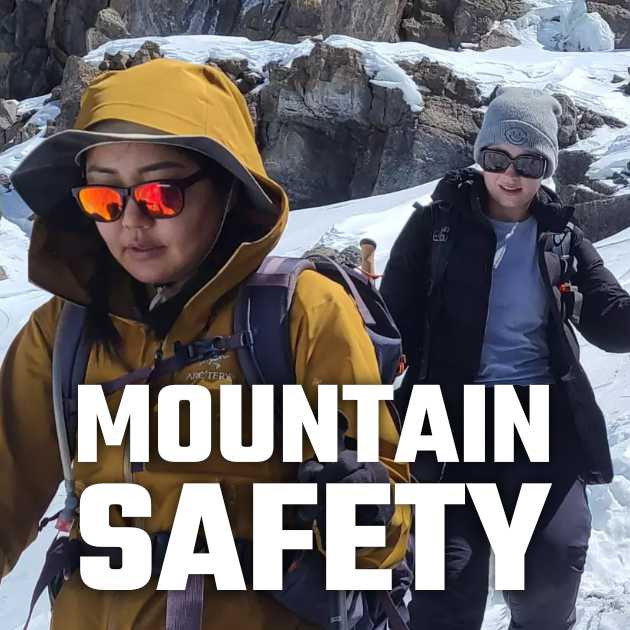
Our attitude to safety is unique in that our founder is from time to time contracted by Kilimanjaro National Park Authority to conduct safety work on the mountain and to advise on route selection and accident prevention.
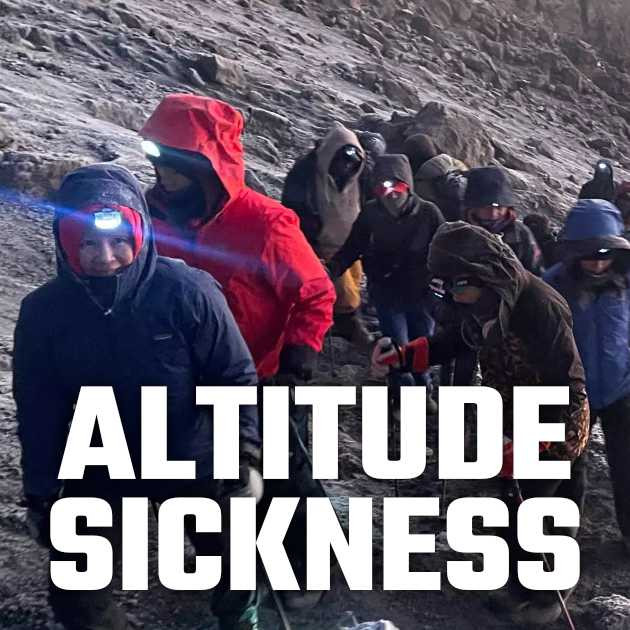
AMS, or acute mountain sickness is common at high altitudes. At elevations over 3,000m three quarters of people can expect to suffer mild symptoms. The occurrence of altitude sickness is dependent upon several factors, such as elevation, rate of ascent, and the individual’s susceptibility. Many people experience mild altitude sickness during the normal acclimatization process. The mild discomfort that accompanies this adaptation should be considered normal and acceptable.

Kilimanjaro is Africa's highest mountain: 5,895 m (19,340 ft) at Uhuru Peak, standing entirely within Tanzania about 3° south of the equator. It is also the world's highest free-standing mountain, rising 5,118 m from its base rather than from a range of other peaks.
Everything about Kilimanjaro itself, as opposed to climbing it: its height and peaks, the weather at the top, the wildlife on its slopes, and the records set on it.