97.6%  summit success Small groups, never more than 8 trekkers Read reviews Bookings login Admin
Plan my climb

Mount Kilimanjaro facts

Kilimanjaro is Africa’s highest mountain: 5,895 m (19,340 ft) at Uhuru Peak, standing entirely within Tanzania, about 3° south of the equator. It is also the world’s highest free-standing mountain, rising 5,118 m from its base.

You’ll have seen most of these figures quoted elsewhere. The difference here is that every one is checked against our own records, our route tracks and our expeditions since 2004, and where a “fact” is less certain than it is usually made to sound, we say so.

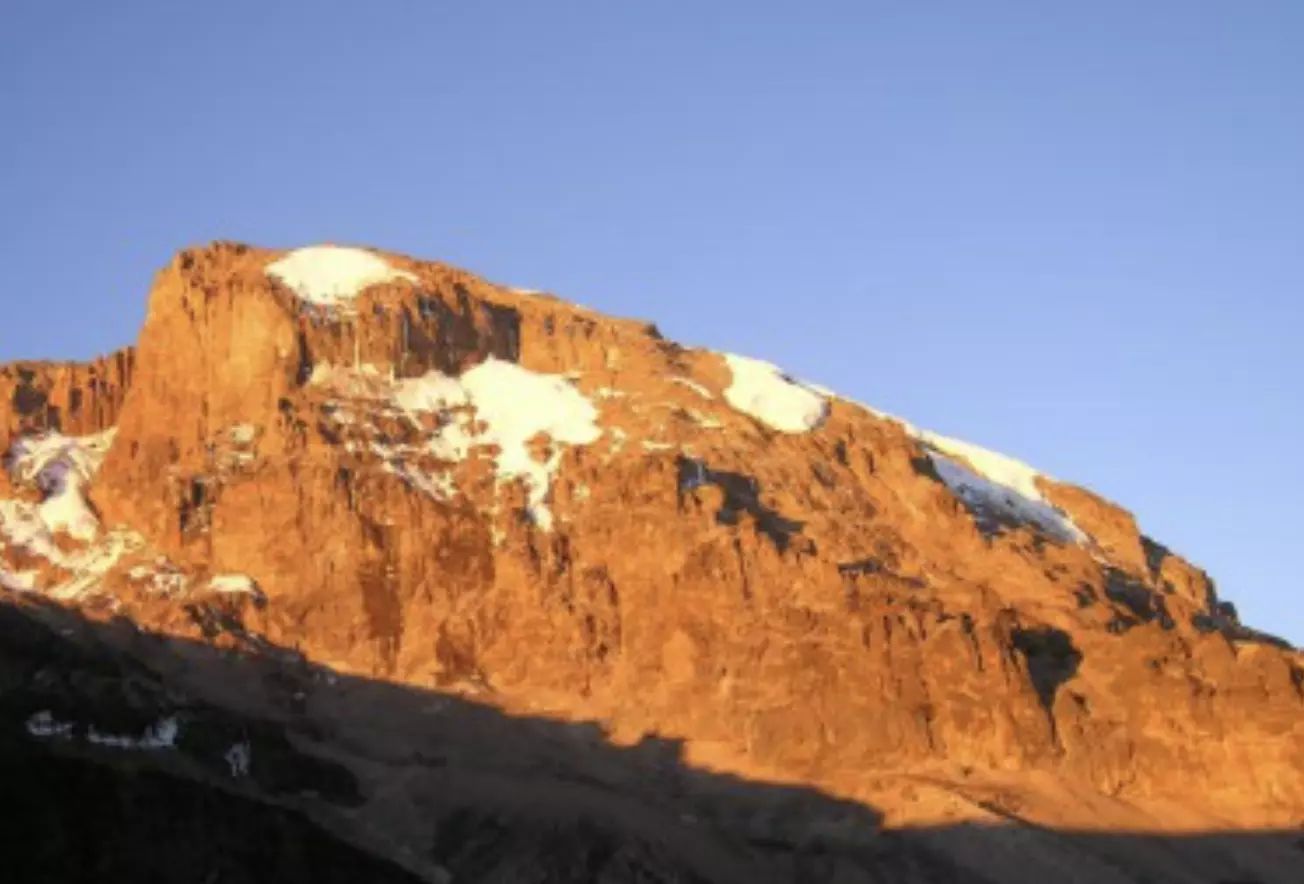
Kibo lit orange by the rising sun
5,895 mUhuru Peak, the highest point in Africa

FAMOUS FOR

Africa’sHighest pointUhuru Peak, 5,895 m
The world’sHighest free-standingMountain, rising 5,118 m

AT THE TOP

Usually−6 °CAbout −10 °C with windchill
Oxygen48–52%Of the sea-level figure

FIRSTS

First recorded ascent1889Meyer and Purtscheller
First complete ascent from the base2026777 m to 5,895 m, in one push

THE ROUTES

Shortest42.1 kmUmbwe via Western Breach
Longest72.2 kmTK Rongai, gate to gate

Kilimanjaro at a glance

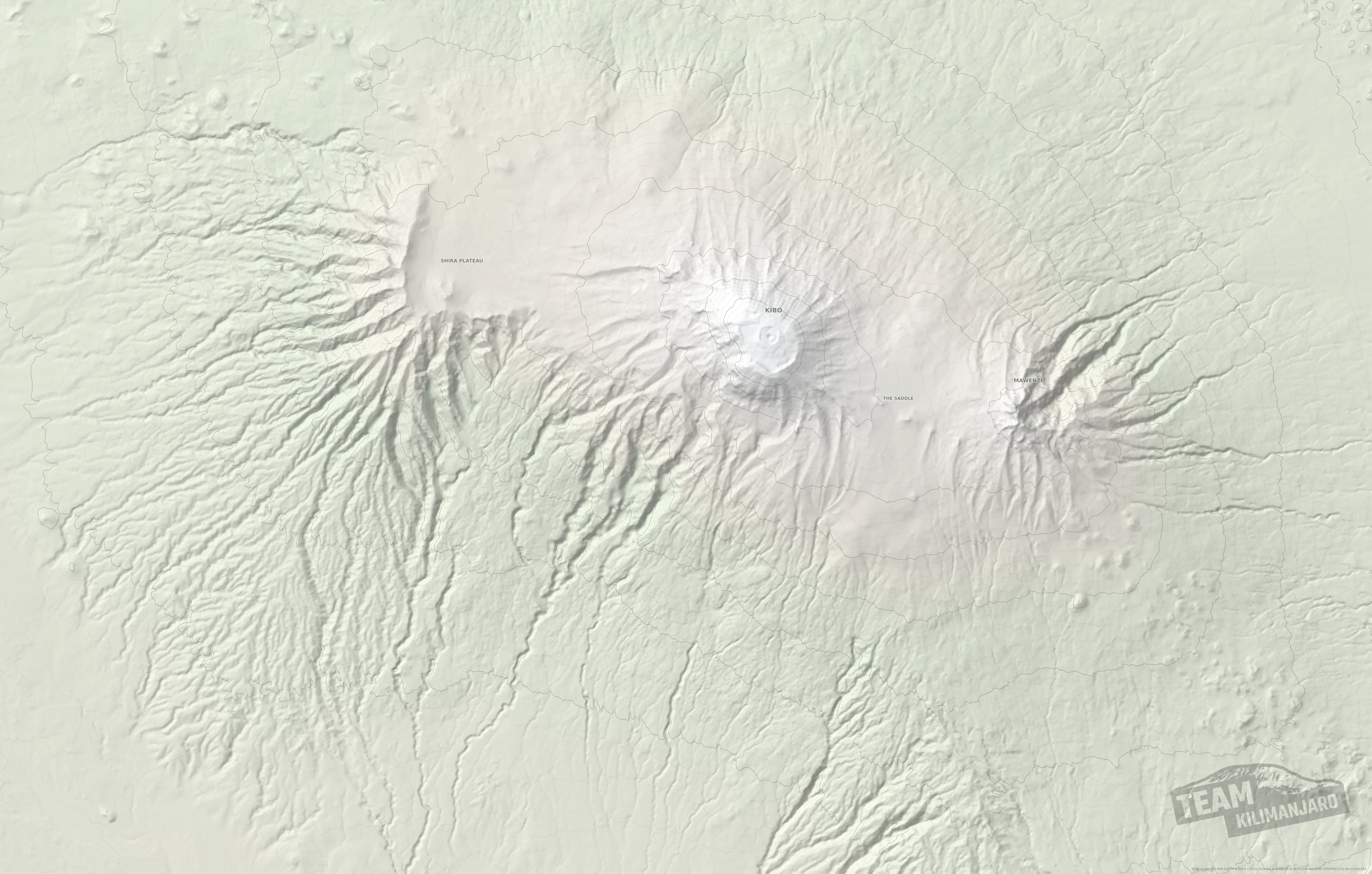
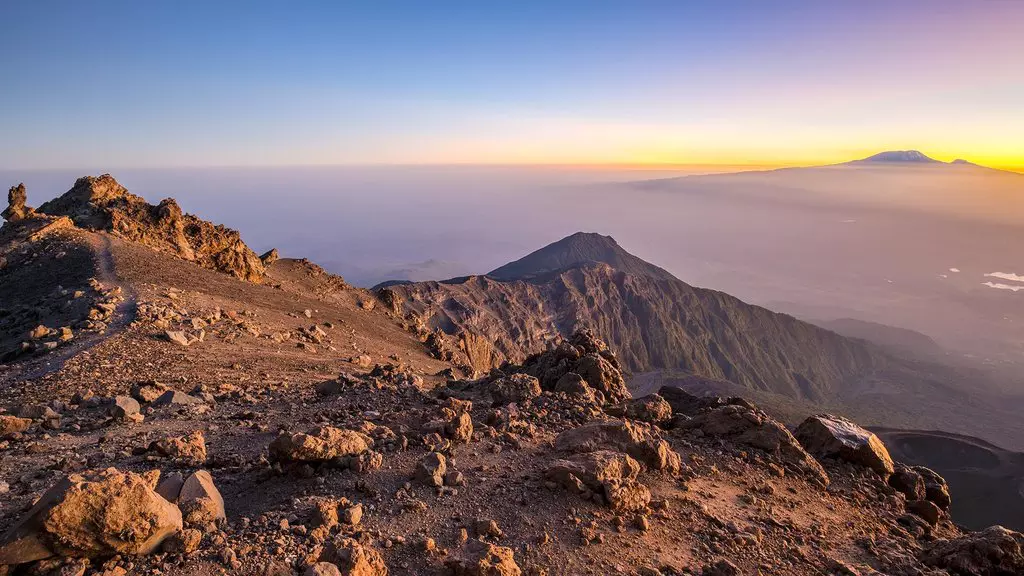
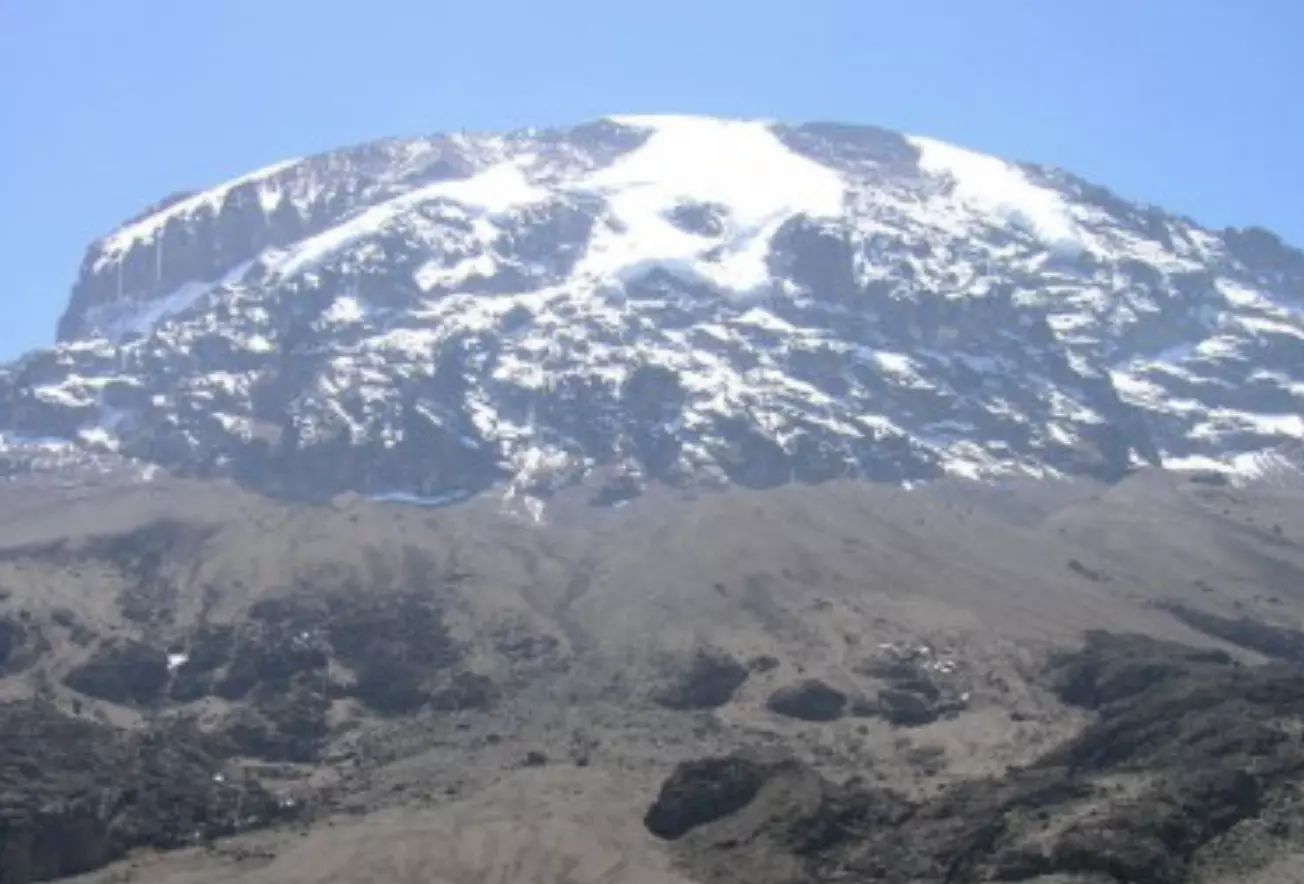
Kilimanjaro is a volcano with three peaks. From west to east they are Shira, a broad high plateau crossed by the Lemosho and Machame routes; Kibo, the central and highest peak, whose crater rim carries Uhuru Peak, Gilman’s Point and Stella Point; and Mawenzi, a jagged mass of rock pinnacles some 750 m lower than Kibo, which trekkers pass but do not climb.

Between Kibo and Mawenzi lies the Saddle, a high, open alpine desert that the Marangu and Rongai routes cross on the way to Kibo Hut.

Most of the world’s highest mountains are peaks within a range, so they rise from ground that is already high. Kilimanjaro rises on its own from the surrounding plains. We measured how far: the lowest point we could fix on its base lies at 777 m, just outside Himo, a rise of 5,118 m to the summit.

The figures

  • Highest point5,895 m (19,340 ft)
  • CountryTanzania, 3° south
  • Rise from its base5,118 m
  • PeaksShira, Kibo, Mawenzi
  • Summit temperatureAround −6 °C
  • Oxygen at the top48–52% of sea level
  • Route lengths42.1–72.2 km
  • First recorded ascent6 October 1889
  • Nearest airportJRO, 47 km from Arusha

How long are the routes up Kilimanjaro?


Measured from our own GPS tracks. Each distance is the full round trip, gate to gate, including the descent.

Lemosho

Starts in the west and crosses the whole Shira Plateau before joining the Machame route at Barranco.

2k m4k m6k m0 km20 km40 km60 km
Round trip64.7 km
Descent viaMweka
Park minimum7 days

Lemosho Gate → Big Tree → Shira 2 → Barranco → Barafu → Uhuru Peak

More about Lemosho

What climbers ask us about the mountain


Where is Kilimanjaro?

Entirely within Tanzania, close to the Kenyan border. Fly into JRO, not ARK.

Kilimanjaro sits entirely within Tanzania, close to the Kenyan border, about 3° south of the equator. The towns on its doorstep are Moshi and Arusha.

The closest airport is Kilimanjaro International (JRO), 47 km from central Arusha. Booking sites sometimes label JRO as “Arusha”, but Arusha has its own small airport, ARK, and arriving at the wrong one is an easy and expensive mistake. Getting here

How cold is it at the top?

Usually around −6 °C (21 °F), and nearer −10 °C (14 °F) with windchill.

On Uhuru Peak it is usually around −6 °C (21 °F). With windchill it often feels like −10 °C (14 °F), and summit night is the coldest part of any climb because you start in the dark.

Does it snow on Kilimanjaro?

Yes, at any time of year above about 4,600 m, mostly in the two wet seasons.

Snow can fall at any time of year from around 4,600 m upwards. In spite of being so close to the equator, the temperature above 5,000 m stays below freezing nearly all the time, so precipitation up there falls as snow.

Most of it falls in the wet seasons, April to May and November to early December. We recommend the drier months of January to February and June to October. Best time to climb

How much oxygen is there on the summit?

Around half of what you breathe at sea level. You don’t need bottled oxygen.

Around 48–52% of the oxygen available at sea level. Air pressure falls with altitude, so each breath at the top carries roughly half the oxygen it would at the coast.

You do not need supplementary oxygen; that generally becomes necessary only on mountains above about 7,000 m. We carry it anyway, for emergencies and to support a safe descent for anyone with severe altitude illness. Altitude explained

Can a beginner climb Kilimanjaro?

Yes. Nothing is technical; altitude is the challenge, and the route manages it.

You need no experience of altitude, or even of trekking. Nothing on the standard routes is technical or vertical: there are a couple of metres of scrambling at one point on the Umbwe Route, and that is all. What makes it hard is altitude, and that is managed by the route and the pace rather than by skill.

You must climb with a licensed guide through a Tanzanian-registered operator. Porters, on the other hand, are not legally required, although most climbers use them. How difficult is it?

What animals live on Kilimanjaro?

Monkeys, hyrax and buffalo are common; leopard and serval are rare. Sixteen notable birds.

Commonly seen: blue monkey, colobus monkey, tree hyrax, bushbaby, bush pig, small-spotted genet, buffalo, mole rat, and several mice, including the four-striped grass mouse, harsh-furred mouse and climbing mouse.

Rarely seen: olive baboon, civet, leopard, mongoose, serval, aardvark and honey badger.

Birds: lammergeier, augur buzzard, crowned eagle, white-necked raven, scarlet-tufted malachite sunbird, Hartlaub’s turaco, silvery-cheeked hornbill, trogon, speckled mousebird, tropical boubou, Rüppell’s robin-chat, montane white-eye, common stonechat, alpine chat, common bulbul and streaky seedeater.

What does “Kilimanjaro” mean?

Probably “white mountain”, from Swahili and Chagga, though nobody is sure.

Nobody is really sure, including people who live on the mountain. The most reasonable guess combines Swahili and Chagga: kilima means hill or mountain, and the Chagga word for white is very close to njaro, so an earlier form of the language may have rendered “white mountain” as kilima njaro.

How do you spell Kilimanjaro?

Some nine thousand searches a month get it wrong. “Kilamanjaro” leads at 28%.

kilamanjaro28%
killimanjaro20%
kilmanjaro15%
kilomanjaro13%
kiliminjaro12%
kilemanjaro4%
kilimajaro3%
kilaminjaro2%
kili manjaro1%

Who first climbed Kilimanjaro?


The usual answer is simpler than the evidence. Here is what was written down at the time, and what was remembered later.

The accepted account

The first recorded ascent was made by the German geographer Hans Meyer and the Austrian mountaineer Ludwig Purtscheller, who reached the summit on 6 October 1889. They are widely credited as having been guided by a young Chagga man, Yohani Kinyala Lauwo, later known as Mzee Lauwo, who is said to have died in 1996 aged around 125. A descendant of his, Abel Lauwo, still guides on the mountain today.
What is less certain

Much of Lauwo’s story rests on his own testimony, recorded late in his life. Critics point out that Meyer’s own record names a helper from Pangani, Mwini Amani, as a key member of the party, and some question whether Lauwo was there at all. Even the date varies between sources: 5, 6 and 9 October all appear in print.

Our view

6 October 1889 is the date most sources credit, and Lauwo’s role is the account Tanzania itself honours. But a page of facts should say which parts were written down at the time and which were remembered later, and this is one place where the two differ.

Some people in Marangu, of course, will tell you it was first climbed by a son of King Solomon and the Queen of Sheba.

Kilimanjaro records


Nearly all speed records start at a park gate, already roughly a quarter of the way up the mountain.

  1. 2005

    First women’s speed ascent

    Rebecca Nchereri, one of Team Kilimanjaro’s founders, on 21 May 2005, from Marangu Gate.

    About Rebecca
  2. 2012

    Youngest person to summit

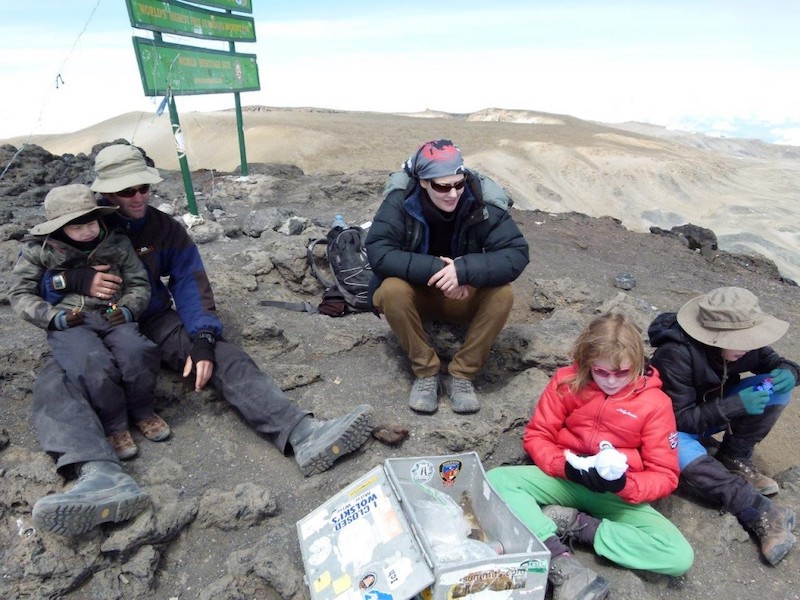
    Bran Rees-Evans, aged 5 years 136 days, on 26 November 2012. Two weeks earlier, the youngest on Mount Meru (4,566 m).

  3. 2014

    Fastest ascent from a park gate

    Karl Egloff, 4 hours 56 minutes, on 13 August 2014.

  4. 2026

    First complete ascent from the base

    John Rees-Evans, from 777 m near Himo to Uhuru Peak on 7 July 2026: 117 km and 5,118 m of ascent.

    The full story

Why climbers trust us with the mountain

2004Guiding on Kilimanjaro since 30 June 2004
97.6%Summit success on our climbs
8The most trekkers we take in one group
2006Led the Western Breach rockfall investigation for the park authority
2007Bernard Goosen’s record wheelchair ascent, in six days, supported by Team Kilimanjaro
2005First women’s speed ascent: Rebecca Nchereri, a TK founder
5 yrsYoungest person ever to summit: Bran Rees-Evans, aged 5 years 136 days
2026First complete ascent from the base, 777 m to 5,895 m, by John Rees-Evans
7Support series, from Superlite to VIP
4Routes of our own design: TK Lemosho, TK Machame, TK Rongai and TK Umbwe

Why our routes are different

We designed TK Lemosho and TK Rongai for acclimatisation, not speed: both go round the quiet north of the mountain and reach the summit from School Hut, away from the crowded Barafu and Kibo Hut approaches. The shape of a route matters more than its length.

See the route geometry
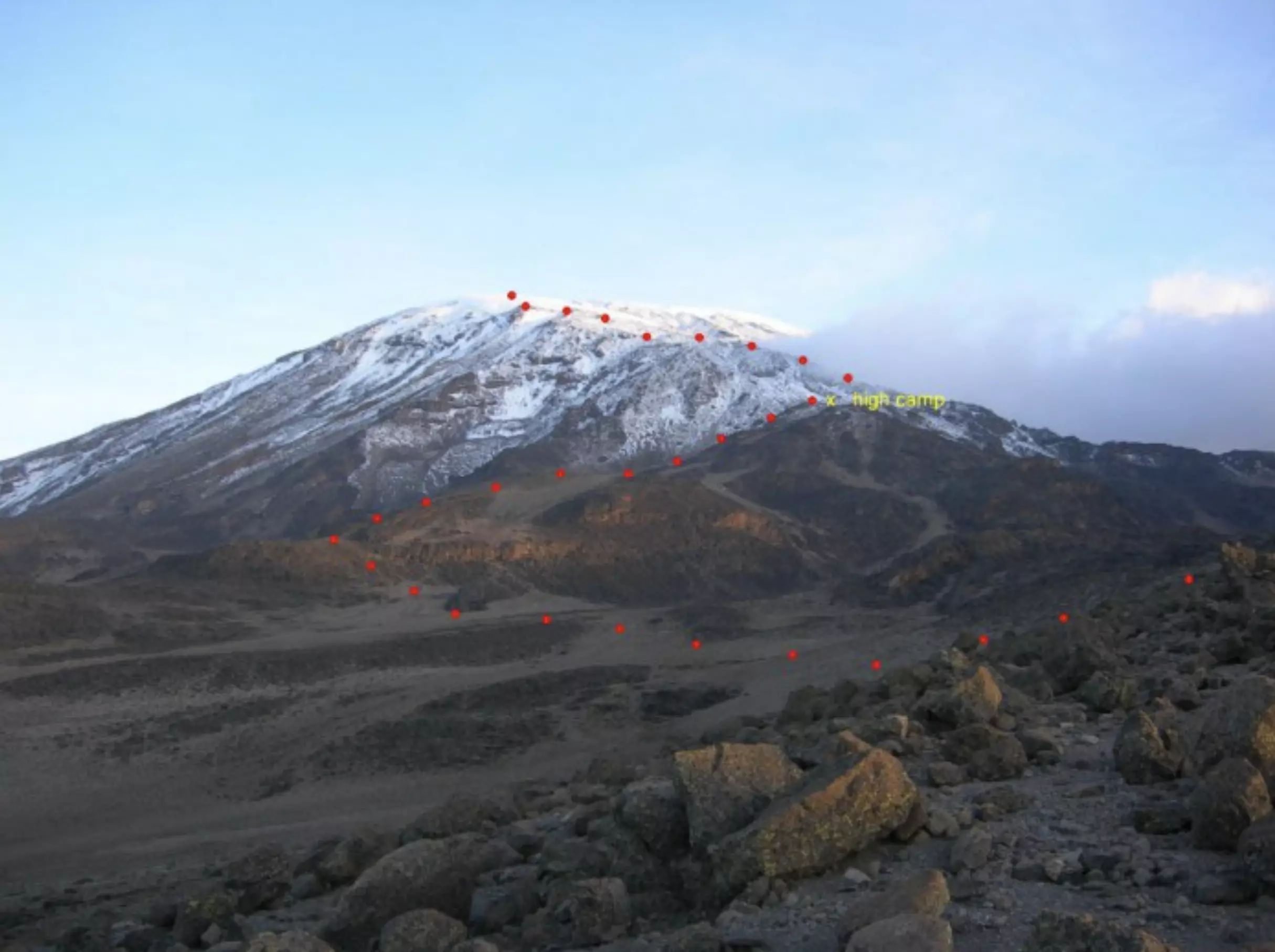
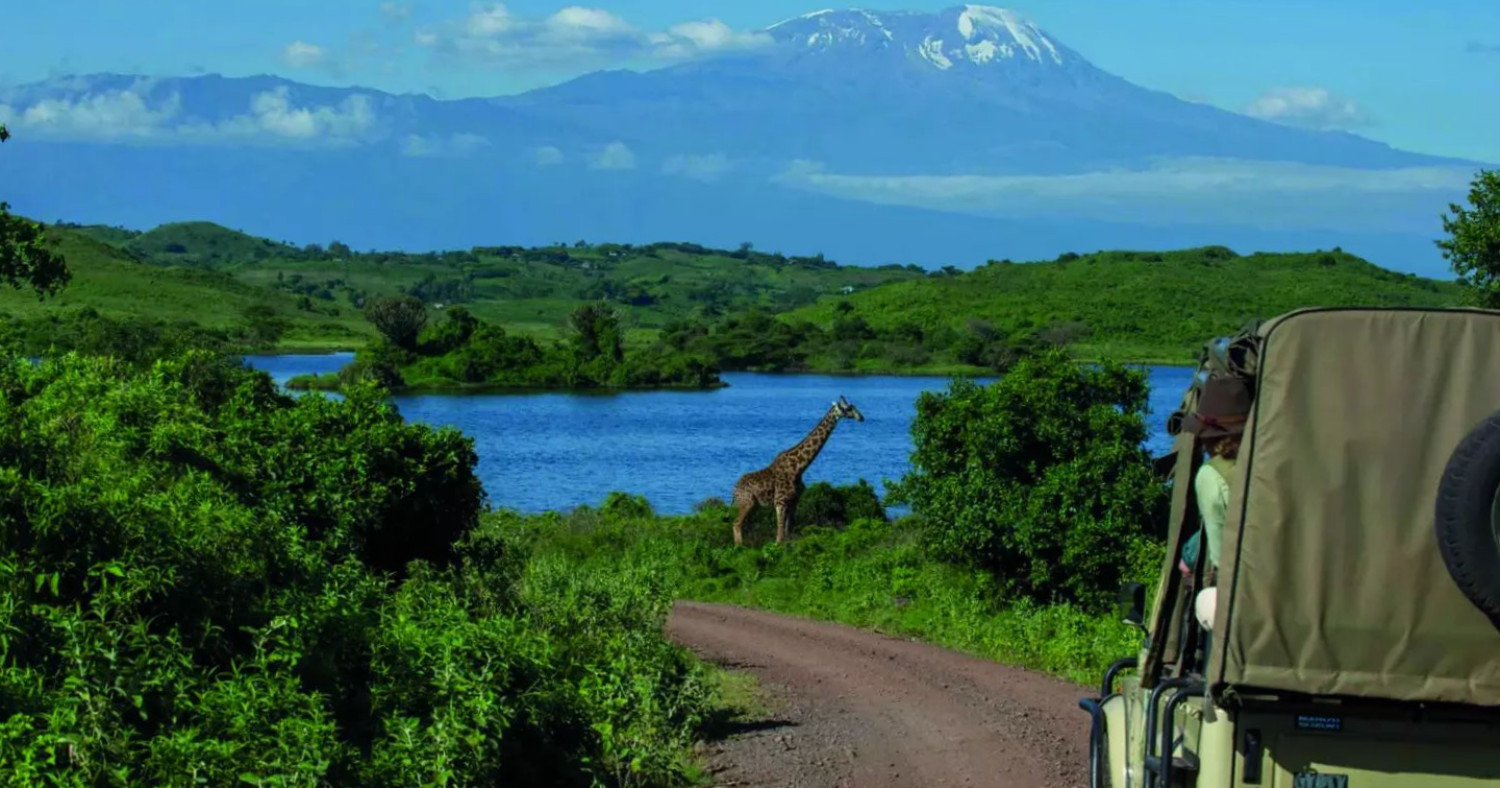
Kilimanjaro from Lake Duluti
Plan my climb